Blog

Coldplay Won’t Tour Until Concerts are “Actively Beneficial” for the Environment, Says Chris Martin

Something not commonly known about the music industry is that has a very negative effect on the environment. Constant touring across long distances wreaks havoc on our planet. From transportation exhaust to tons of plastic waste from concerts, the pollution is seemingly endless. Of course, pollution and other waste products negatively affect our health in countless ways. What amplifies this problem even more is the fact that tours are how artists make most of their money. The result, an environmental and health catastrophe. However, one band wants to make a difference in this field.

Coldplay announced recently that they will put touring on hold until they can find an environmentally sustainable way to operate. By finding a way to achieve sustainable touring, Coldplay is setting an incredible precedent in the music industry.

I think this is an amazing step forward. Touring has wreaked havoc on our planet for too long, and I am glad a big name in the industry is willing to stand up and do the right thing. Although I was looking forward to seeing them in concert, I find solace in the fact that they are helping to make our world more sustainable and healthier. I hope other bands follow suit. Moreover, I hope other industries realize how they negatively impact our environment and health and do something to negate harmful effects before it is too late.

Scientists at Children’s Hospital Los Angeles Discover New Treatments for Damaged (Environmentally Triggered or Congenital) Heart Tissue from Zebrafish

I’ve blogged before about the incredible opportunities for discovery from zebrafish, including new treatments and cures for leukemia and other cancers. Zebrafish offer opportunities to learn about both environmental and inherited factors that contribute to disease. Zebrafish can be used to investigate the effects of pollution and other toxins on the human body. More than 70% of human disease genes are evident in the zebrafish genome, including more than 80% of genes associated with human disease. They share similar immune systems, brains, digestive tracts, etc. Environmental factors can be tested to determine if they trigger cancer.

I am fortunate to be involved with Children’s Hospital Los Angeles, and by proxy the University of Southern California Keck School of Medicine. The Alfred E. Mann Family Foundation recently funded a new zebrafish laboratory, headed by Dr. James Amatruda.

Now, scientists at Children’s Hospital Los Angeles discovered a mechanism that zebrafish use to regenerate damaged heart tissue. Dr. Harrison works in the laboratory of Ellen Lien, PhD, where the overall research goal is to uncover the mechanisms used by zebrafish to recover from injury.

This new research vehicle (zebrafish) offer tremendous learning opportunities. Environmental factors which contribute to health, as well as congenital conditions, can all be studied via these see-through fish. I look forward to monitoring future studies and advances related thereto.

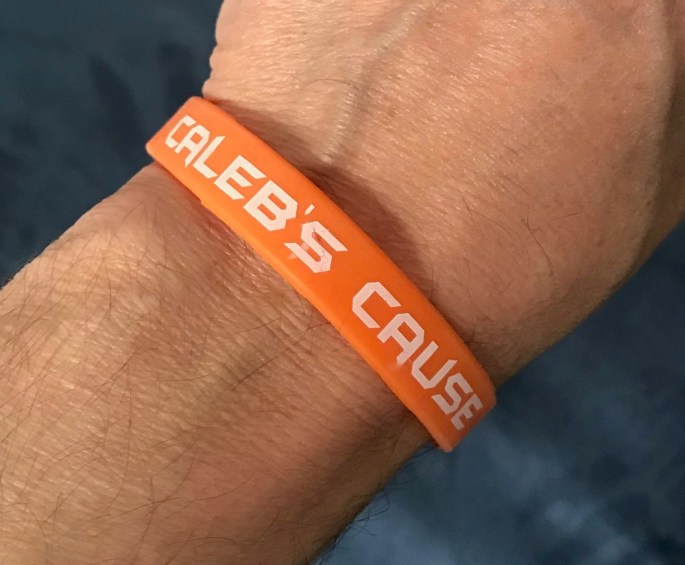
Caleb’s Cause: Environmental Health Impact Fund

Not too long ago, the Leukemia and Lymphoma Society commenced its Children’s Initiative. It has committed $25,000,000 to find better treatments and cures for childhood leukemia. Since this deadly disease personally affects me, I would love to see it eradicated one day. Environmental factors likely play a role in triggering a precondition for this disease. To that end, I’m watching to see what research funding opportunities might exist which are committed to finding causes of childhood leukemia, particularly environmental in nature. The Children’s Initiative is a step in the right direction, and I am looking into funding possibilities via my non-profit fund. Keep up the great work.

Study Indicates Ancient Mayans Caused Their Own Climate Change and UltimateDemise

This new study is fascinating; it suggests that ancient Mayans may have “inadvertently caused their own demise by radically altering the climate.”

The Mayans had “regular ‘burn events which may have caused a rise in carbon dioxide and methane in the atmosphere.”

In comparison, the small changes back then were small compared to much greater recent changes. Air pollution, I have learned first hand by way of working with graduate students at USC studying the health effects of toxic air on mice, causes disease and increases risks of autism and loss of strength. It also causes millions of deaths annually, I learned from an online college course through the University of Copenhagen.

It is sobering to think that an entire civilization may have been wiped out from even smaller climate changes than we have recently experienced. We all need to wake up to scientific reality and learn from the past so we have a better future.

Source: “Ancient Mayans Caused Their Own ‘Climate Change,’ Shocking Study Says.” Fox News, 2019, https://www.foxnews.com/science/ancient-mayans-caused-own-climate-change.

Zebrafish Lab Visit: a New Model for Translating Research on Environmental Factors Into Cures

It has been suggested that 1 in 5 people are predisposed to getting cancer. Of course, this doesn’t mean that a person will actually get this horrible disease. Many variables, particularly environmental in nature, can trigger a genetic predisposition. With zebrafish, this is just one of the many fascinating possibilities which can be discovered and ultimately lead to better treatments and cures.

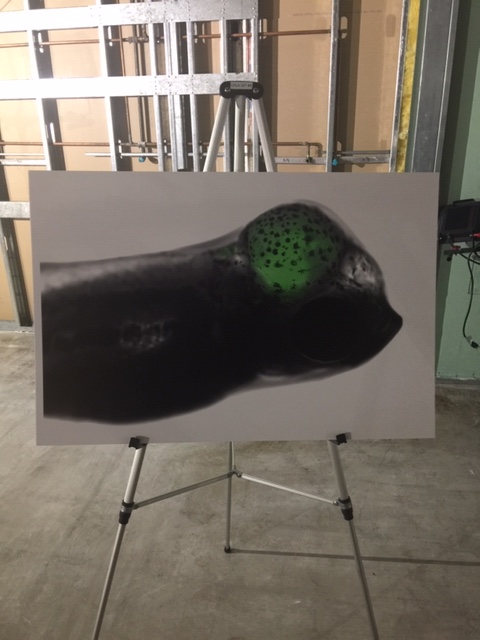
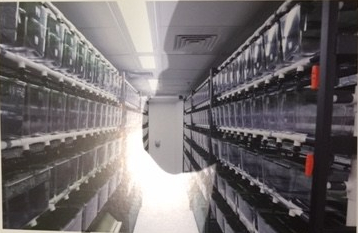
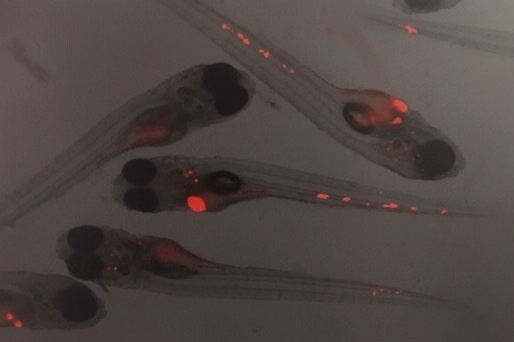
I am fortunate to be involved with Children’s Hospital Los Angeles, and by proxy the University of Southern California Keck School of Medicine. The Alfred E. Mann Family Foundation just funded a new zebrafish laboratory, headed by Dr. James Amatruda, MD, PhD. Zebrafish are small tropical fish which bear a surprising similarity to humans. More than 70% of human disease genes are evident in the zebrafish genome, including more than 80% of genes associated with human disease. They share similar immune systems, brains, digestive tracts, etc. They are transparent, cheap to feed, take up little space, and produce a lot of offspring. Cancer and internal development is visible (see photos below). They are a great model for understanding the biology of disease and also for testing new treatments. It possible to test on a large scale hundreds or thousands of disease-causing genes. This means that different environmental factors can be tested to determine if they trigger cancer.

Here are some photos of Dr. Amatruda’s new lab under construction which will contain thousands of zebrafish. The possibilities are remarkable and endless:

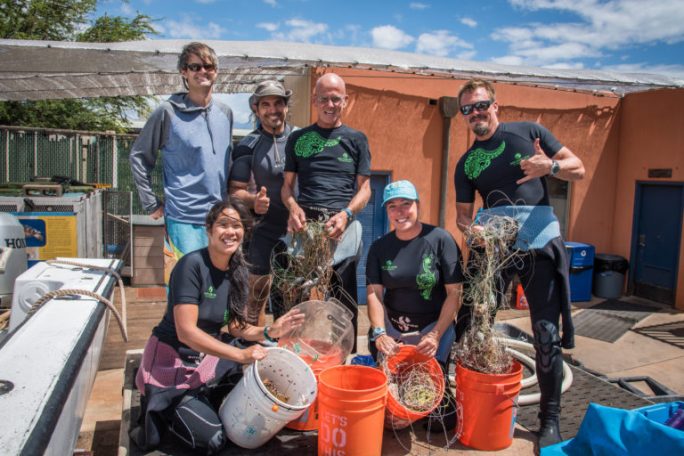
Hermosa Beach Heal The Bay Clean-Up!

School will begin soon. What a great way to enjoy the summer, and do some good. It’s amazing how much garbage accumulates on the beach. Much of it, if in the wrong hands, is detrimental to our health. There are sharps, rotting food, plastic materials, etc. What’s bad for us, is also bad for marine life. Plastic straws are now prohibited in Manhattan Beach for this reason. What a great day!

Petra – Jordan’s New Wonder of the World: A Testament to Ingenuity In The Face of a Harsh and Potentially Unhealthy Environment

Petra is a truly amazing place in southern Jordan. It is a historical and archaeological city. It is known for its carvings in rock and for its water conduit system. It is definitely a must see.

When one enters Petra, they do so by way of the Siq. This is a narrow passage formed by cliffs separating over time. The two sides of the path fit together like puzzle pieces. A dam is seen at the beginning of the route and ends at the Treasury, a site famously seen in Indian Jones.

On both sides of the Siq there are pipes or channels that draw water from Wadi Musa outside the city. On the left side there is carved out channel to funnel water, with filters in place along the way. It is truly amazing to see first hand how people from 300 BC addressed the health impacts of the environment. They developed ways to obtain water, hold it, and clean it. Wow!

Dam at Petra
the Siq
the Treasury

Tel Aviv-Yafo Innovation Center: An Incredible Look Into New Technologies Focused on Environmental Sustainability and Health Impacts Related Thereto

This is an incredible cutting-edge facility created by the Israeli Stock Exchange and Taglit. It is an interactive facility which presents Israeli start-up companies an opportunity to present their respective stories.

Much of Israel has a very dry and hot, and there is a great need to manage its natural resources. In light of current knowledge about the ill effects of chemicals in pesticides, there is a great demand for natural pest control that is better for people and the earth. Biobee is a start-up company which addresses these concerns. Biobee harvests beneficial insects and mites as an all natural pest control, and bees for natural pollination. Biobee’s products reduce chemicals in agriculture all over the world, making both the earth and people healthier.

One way the world is trying to reduce harmful CO2 emissions and the use of gas is by making public transportation more efficient. Electroad is a start-up which addressed this need by developing a dynamic wireless electrification system for urban transportation. This system uses energy directly from the road to power electric vehicles, thus obviating the need for batteries or any other energy source that can be harmful to the environment and people. Electroad technology produces zero emissions, lowers costs of operation, and enables energy sharing between vehicles within the grid.

Green IQ is a company that saves tens of millions of gallons of water for their customers. They have create a device which controls irrigation scheduling based on current and forecasted weather, saving up to 50% on outdoor water consumption. Water is a precious recourse in the desert, and this company enables communities to thrive in an otherwise hostile and unhealthy environment.

Netafim has developed a drip irrigation system with massive environmental impact. The system controls target location, pressure, quantity and timing of water flow. Drip technology increases irrigation efficiency to prevent water evaporation. This has helped farmers around the world, in areas where water is rare, to grow and maintain agriculture and help people feed themselves and sustain a healthy lifestyle.

Two-thirds of the worlds’s population live in water-stressed conditions, including no drinking water or unhealthy drinking water. Many people who survive natural disasters eventually get sick and/or die from unhealthy or no water. Water-Gen is a startup that created a machine which dries the humidity in the air and produces 20 liters of purified drinking water per day. It is an autonomous water supply solution that generates water from the humidity in the air. The costs to produce water are much lower than bottled water. This solution presents the opportunity to prevent dehydration and death throughout the world.

These amazing start-ups are just a few among many others which address environmental health concerns and sustainability issues. It is a remarkable place to see the ingenuity of the Israeli people.


Maui Ocean Center Visit: A Look into The Adverse Health Effects of the Environment

When travelling, I attempt to see things from different perspectives.  I love meeting new people, experiencing new cultures, and trying new foods.  I also very much enjoying learning about the environment, particularly with regards to health impacts.

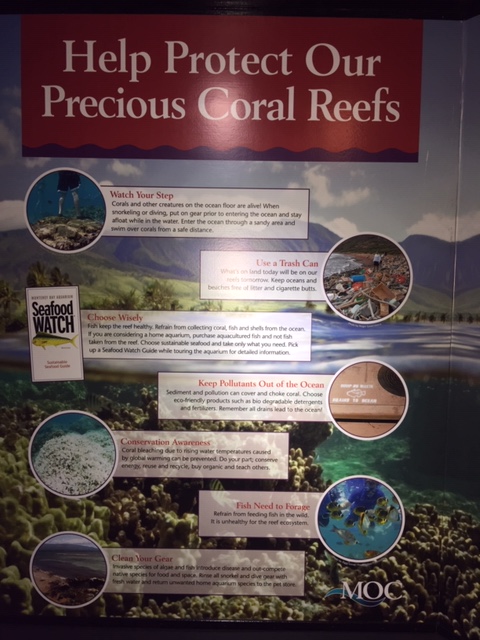
At the Maui Ocean Center, I gained a better understanding and more appreciation of local marine life.  Pollution is a serious problem for marine life, particularly coral reefs.  Sediment, barbed wire, and other pollutants cover and choke coral.  Coral bleaching occurs due to rising water temperatures cause by global warming.  Algae is expelled, and as a result, coral tends to starve.  This was both fascinating to me and knew information.  Just as the environment affects people, it also affects marine life. 

IMG_2951

Please, next time you think about throwing something into the ocean — don’t!